
Importance of deworming and vaccination in pets
Having a pet is like having a furry roommate who thinks you’re the greatest person ever! From endless cuddles to funny little habits, pets add happiness to our lives. But…
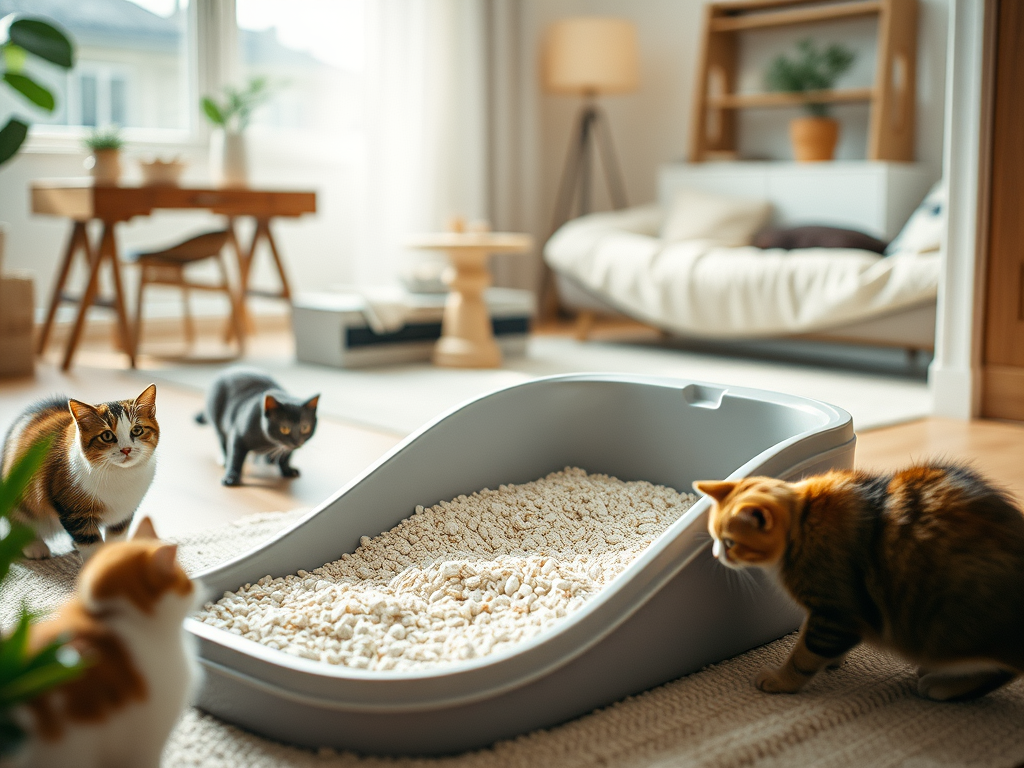
As cat owners, we all want our furry friends to feel comfortable and content in our homes. One of the most overlooked factors that impact their health and happiness is the choice of cat litter.
Choosing the right litter is convenient and supports your cat’s natural instinct to dig and feel comfortable. This small choice makes a big difference in your cat’s comfort, your home’s cleanliness, and the bond you share.
Learn why litter choice matters, how to find the best one, and common litter-related issues.
The litter absorbs moisture, keeping waste contained and making daily scooping easier. Choosing a litter that clumps well will prevent bacteria buildup, creating a cleaner environment for your cat.
Cats dislike strong or unpleasant smells, so high-quality litter that traps odors keeps your home smelling fresh. Look for litter with natural odor-neutralizing elements like baking soda or charcoal.
Cats have sensitive paws, and the feel of the litter is important to them. Choose comfortable litter boxes for your cats to give them the best litter experience.
Dusty litters can irritate the respiratory systems of both cats and humans, particularly in households with allergies or respiratory issues. Choose a dust-free or low-dust litter to keep the air clean and reduce discomfort.
Clay: Traditional, absorbent, and usually affordable. However, it can be heavy and create dust, so choose a clumping low-dust type.
Silica Gel Crystals: These are great for odor control and low maintenance. They absorb moisture well but can be rough on sensitive paws.
Pine or Wood Pellets: These natural options are biodegradable and have a pleasant woodsy scent. The pine is soft on the paws but may not clump.
Corn, Wheat, and Walnut: These are eco-friendly, biodegradable, and flushable options. They are softer, making them comfortable for cats.
Clumping Litter: Clumping litter is ideal for daily scooping, as it forms tight clumps around waste, making cleanup easier. However, it is not ideal for kittens.
Non-Clumping Litter: Non-clumping litter is great for younger kittens or cats sensitive to clumping agents. It absorbs moisture but doesn’t clump, so it needs more frequent changing.
If dust concerns you, look for litter labeled as low-dust or dust-free. Dust-free options are silica-based or made of natural materials like wood or corn.
Uncomfortable Litter Texture: Cats may avoid the box if the litter feels rough or painful on their paws.
Location of the Litter Box: If the box is in a busy or noisy area, your cat may feel exposed.
Health Issues: If your cat has urinary tract infections, arthritis, or gastrointestinal issues, using the box will be painful for it.
Dirty Litter Box: Cats are clean animals, so avoid a dirty litter box. Keep the box clean and fresh to encourage consistent use.
How often should I change my cat’s litter?
Scoop the litter box daily to remove clumps and solid waste. To completely refresh the litter, replace it once a week (or every two weeks, depending on your cat’s habits and the type of litter used).
What type of cat litter is best for odor control?
Clay-based and silica gel litters are popular for odor control. Look for varieties with activated charcoal or baking soda for extra odor absorption, or consider scented options if your cat doesn’t mind.
Can I use scented litter for my cat?
Some cats tolerate scented litter, while others may avoid it due to the strong smell. If you introduce scented litter, try a mild fragrance and observe your cat’s reaction.
Why get a cat litter