Importance of deworming and vaccination in pets
Having a pet is like having a furry roommate who thinks you’re the greatest person ever! From endless cuddles to funny little habits, pets add happiness to our lives. But…
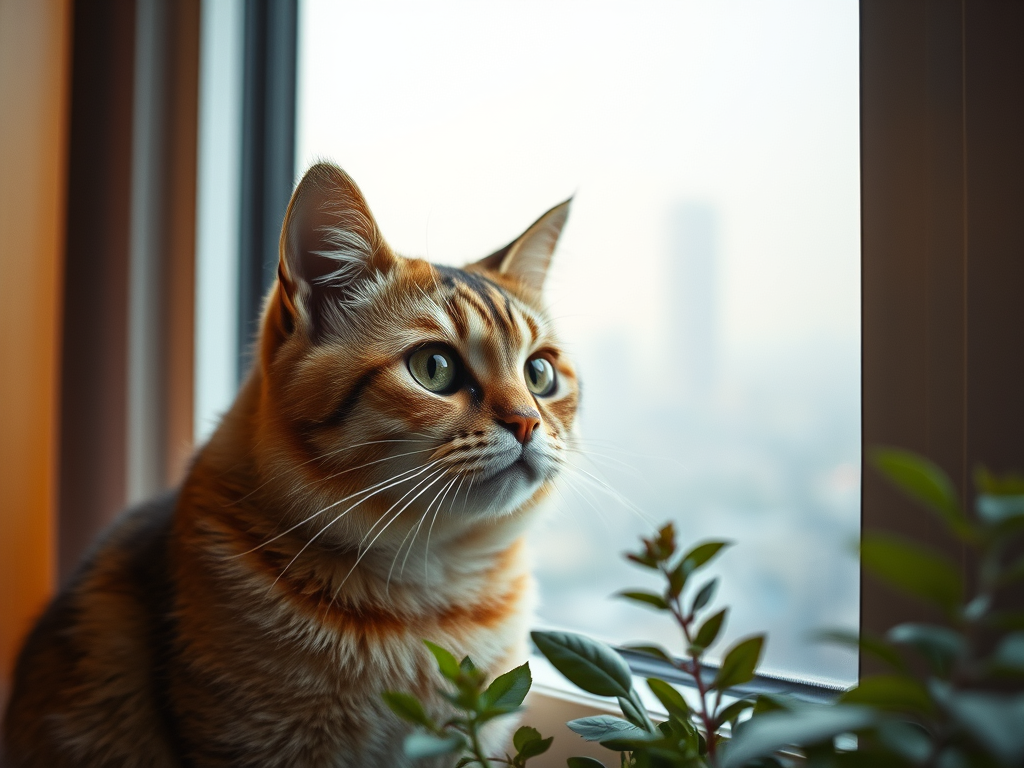
As pet parents, you want your furry friends to live healthy, happy lives. But while you’re busy keeping your home cozy and safe, something outside sneaks into the world: smog.
Smog might seem like just a human concern, but don’t forget that your cat is breathing the same air! Your little furry friends can’t tell you when they’re struggling, so it’s up to you to keep an eye on their health, especially if you live in areas where smog is a regular visitor.
Read on to learn how smog can affect your cats’ respiratory and overall health and how to keep them safe. Let’s keep our cats breathing easy, one fresh-air tip at a time!
The term “smog” combines “smoke” and “fog. ” It was first used in the early 20th century to describe thick, polluted air over industrial cities. Smog forms when smoke, chemicals, and tiny particles mix, creating a dense, hazy layer that hangs in the air.
Smog is common in areas with heavy traffic and industrial activity, where pollutants are constantly released into the air. Vehicle emissions and chemicals like nitrogen oxides and volatile organic compounds (VOCs) mix and react with sunlight, creating ground-level ozone.
Breathing in smog is harmful to both humans and animals, including cats. The tiny particles in smog can deeply irritate your cat’s respiratory system, causing discomfort and potentially long-term health problems.
Coughing and Sneezing
Frequent coughing or sneezing is one of the first signs of smog affecting your cat. Just like humans, cats experience irritation in their respiratory system when exposed to harmful particles in smog.
Watery or Red Eyes
Exposure to smog can irritate your cat’s eyes, leading to redness, watering, or swelling. If your cat’s eyes appear unusually inflamed or if it constantly paws at them, it could be a sign of smog irritation.
Open Mouth Breathing
If your cat is breathing through their mouth or struggling to breathe, this could be a sign of respiratory distress due to smog exposure. Labored breathing, increased respiratory rate, or panting indicate smog-related issues.
Fatigue
Cats exposed to smog feel more tired than usual. If your cat spends more time resting and shows a lack of interest in playing, it’s likely a result of the physical effects of poor air quality.
Wheezing or Hissing Sounds
Wheezing or a raspy sound while breathing indicates that the airways may be inflamed due to smog inhalation.
Consult with a Vet
Visit your veterinarian for an assessment. Your vet may recommend tests or blood work to determine the extent of the damage.
Medications for Respiratory Issues
Your vet may prescribe bronchodilators or corticosteroids. These medications help open airways and reduce inflammation, making breathing easier for your cat.
Air Purifiers and Clean Environment
Reduce your cat’s exposure to smog by investing in a good air purifier and keeping windows and doors closed during smoggy days.
1. Keep Your Cat Indoors
During smoggy conditions, avoid taking your cat outside. Keep them indoors to prevent exposure to harmful pollutants.
2. Use Air Purifiers
Invest in high-quality air purifiers to keep the air clean inside your home.
3. Boost Immunity
Consult your vet about vaccines and immuno-boosters to strengthen your cat’s immune system.
4. Prevent Dehydration
Ensure your cat has access to fresh water at all times. Dehydration can worsen respiratory problems, so keep your cat hydrated.
5. Avoid Smoking Indoors
If you smoke, do so outdoors to avoid increasing the pollutants in your home.
Can smog cause permanent damage to my cat’s lungs?
Prolonged smog exposure can lead to chronic respiratory conditions like asthma and emphysema, which result in long-term lung damage.
How can I tell if my cat is struggling to breathe?
Watch for signs like open-mouth breathing, labored breathing, coughing, or wheezing. If your cat has these symptoms, seek veterinary care immediately.
Are indoor cats safe from smog exposure?
Indoor cats are less exposed to outdoor pollutants, but smog can still affect indoor air. Use air purifiers to minimize the risk.